
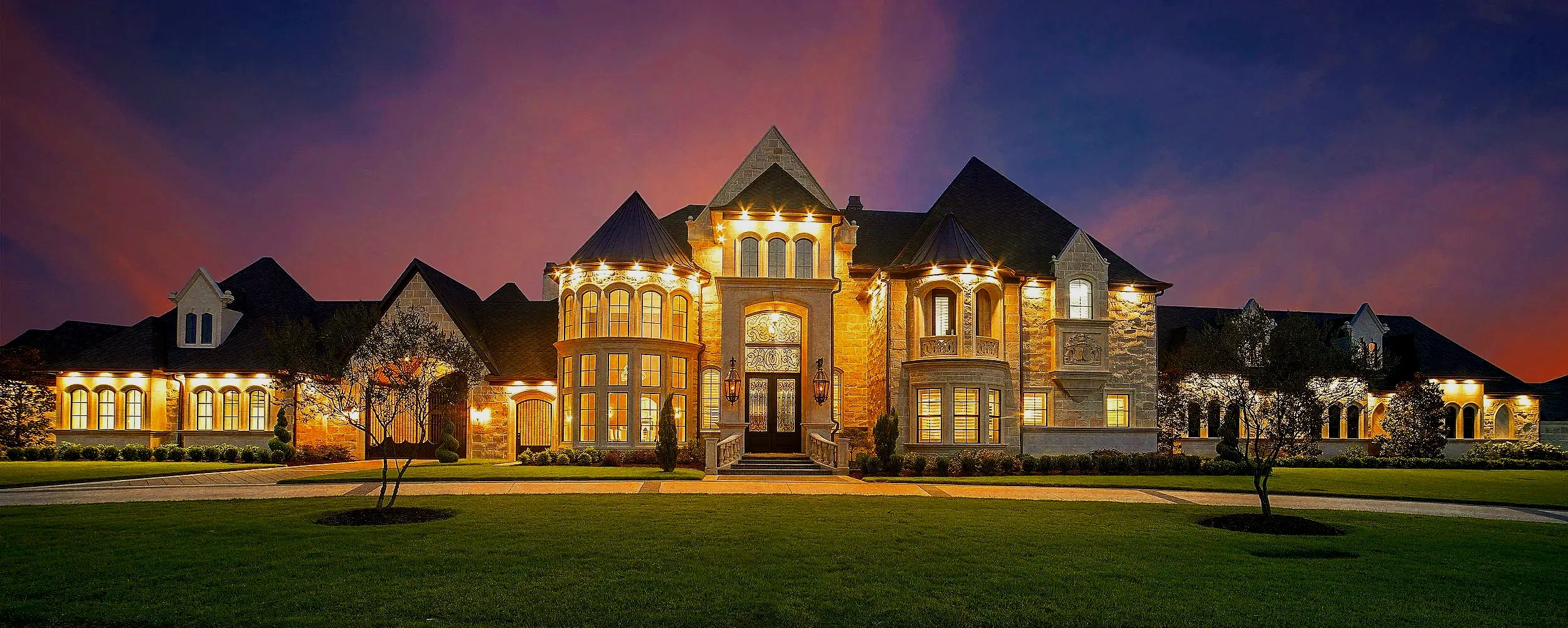
Flat Roofing Systems Built for Northern Virginia's Climate
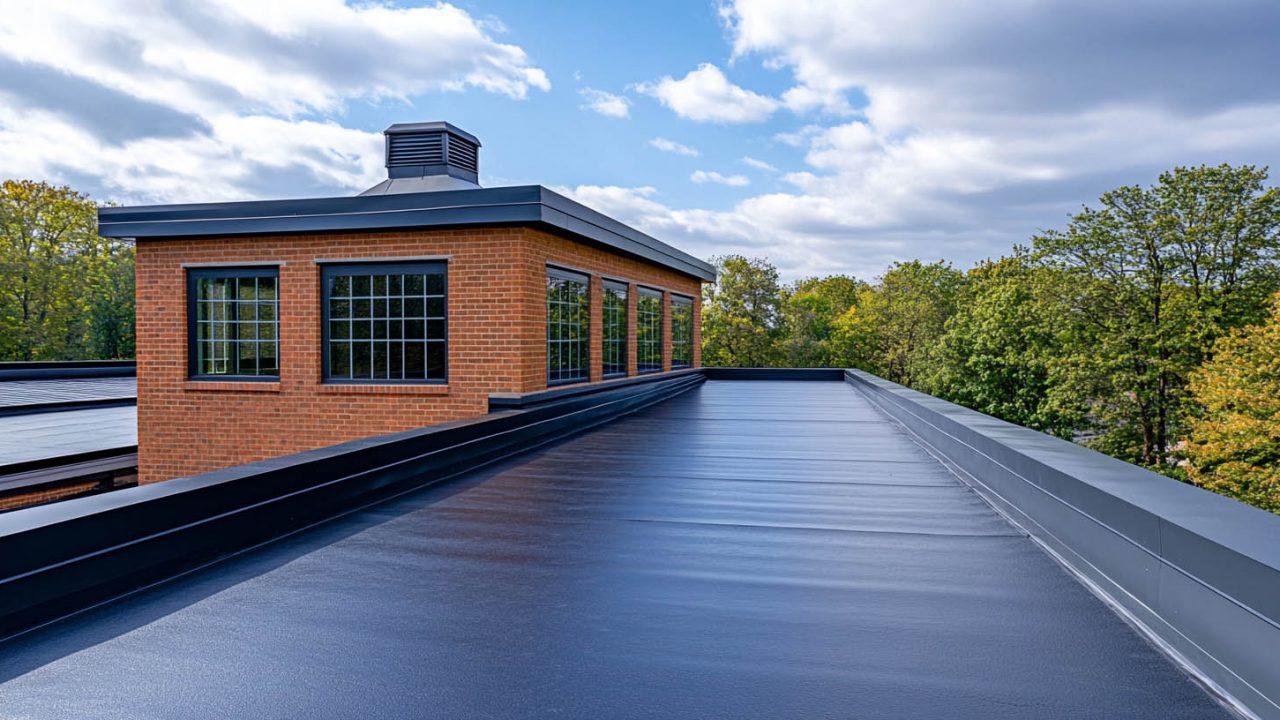
Flat and low-slope roofing demands a fundamentally different engineering approach than pitched systems. Without gravity-assisted drainage, waterproofing integrity, drain placement, and insulation detailing become critical design decisions — not afterthoughts. LUXE Exteriors brings commercial-grade membrane expertise to residential flat roofing across Reston, McLean, Vienna, Ashburn, and throughout Loudoun County, where modern home additions, flat-roofed contemporary homes, and portico extensions are increasingly common. The three primary membrane categories — TPO, EPDM, and modified bitumen — each offer distinct advantages depending on the application, substrate, climate exposure, and aesthetic requirements. LUXE evaluates each project individually, recommending the system that delivers optimal performance rather than defaulting to the lowest-cost option. Our crews are trained and certified in all three membrane systems, ensuring installation quality that meets manufacturer specifications and activates full warranty coverage. Northern Virginia's climate presents specific challenges for flat roofing: freeze-thaw cycling that stresses membrane seams and flashings, summer UV exposure that degrades inferior membranes, and heavy rainfall events that demand properly designed and sized drainage systems. Every LUXE flat roofing project is engineered for these conditions — from insulation board selection that prevents thermal bridging to drain placement that ensures positive slope to all collection points. Beyond waterproofing, modern flat roofing systems offer functional advantages: usable rooftop terrace space for urban-adjacent properties, the cleanest possible substrate for rooftop solar panel installation, and cost-effective square footage coverage compared to complex pitched systems. For additions, garage conversions, and contemporary new construction across Fairfax and Loudoun counties, a properly engineered flat roof is both practical and architecturally compelling.
The LUXE Difference
Superior Waterproofing
Modern membrane systems — TPO, EPDM, and modified bitumen — create a continuous, seam-welded or adhered waterproof barrier that outperforms any lapped-shingle system when properly installed. Heat-welded TPO seams are actually stronger than the membrane itself.
Modern Architectural Aesthetic
Flat roofing defines contemporary and transitional architecture. Clean rooflines, concealed drainage, and minimal visual interruption from the street create the sophisticated aesthetic that modern Northern Virginia homeowners are increasingly specifying.
Usable Rooftop Space
Properly designed flat roofs can accommodate rooftop terraces and green roof assemblies — adding functional outdoor living space to properties where ground-level square footage is at a premium.
Cost-Effective Per Square Foot
Flat roofing systems typically cost less per installed square foot than complex pitched roofing — particularly on large addition roofs where simplified geometry reduces labor complexity and material waste.
Easy Maintenance Access
Flat roofs are safely accessible for inspection and minor maintenance without specialized equipment — allowing quick identification of any membrane issues, drain clogs, or flashing conditions before they develop into significant problems.
Solar-Panel Ready
Flat roofs provide the ideal substrate for rooftop solar installations — unobstructed surface area, optimal tilt-frame positioning, and clean ballasted or adhered mounting without penetrating a pitched roof's water barrier.
How We Deliver Excellence
Existing System Inspection
We assess the existing roof system's condition, insulation adequacy, deck integrity, drain performance, and flashing conditions. Infrared moisture scanning is available for projects where trapped moisture in the existing assembly is suspected.
Tear-Off vs. Recover Decision
Depending on deck condition, existing insulation thickness, and local code allowances, we evaluate whether a full tear-off or a recover (overlay) system is appropriate. Tear-off provides a clean slate and full deck inspection; recover can be cost-effective when the substrate is sound.
Deck Preparation & Repair
Any deteriorated or delaminated decking is replaced before new materials are applied. Positive drainage slope — minimum 1/4 inch per foot to all drain points — is verified and, if necessary, achieved with tapered insulation.
Insulation Board Installation
Polyisocyanurate (polyiso) or XPS insulation board is installed in staggered, offset layers to eliminate thermal bridging. R-value is calculated to meet or exceed energy code requirements for the specific climate zone.
Membrane Installation
TPO is heat-welded at all seams and flashings; EPDM is fully adhered or ballasted with lap seams sealed with contact adhesive and seam tape; modified bitumen is torched or cold-applied in overlapping plies. All drain sumps, penetrations, and edge conditions are detailed per manufacturer specification.
Flashings, Drains & Final Inspection
Every penetration, parapet, and termination receives engineered flashing treatment. Interior drains are confirmed to flow freely and overflow scuppers are verified. A flood test or visual inspection protocol confirms watertight performance before project closeout.
The LUXE Standard for Flat Roofing
Certified in All Three Systems
LUXE crews hold installation certifications for TPO, EPDM, and modified bitumen systems — allowing objective material recommendations rather than defaulting to whichever product the installer knows best.
Drain Engineering Expertise
Drain placement, sizing, and overflow design are the most commonly underspecified elements of flat roofing. LUXE calculates drain requirements per building code and local rainfall data for every project.
Tapered Insulation Capability
When existing roofs lack adequate slope to drains, LUXE designs and installs tapered polyiso insulation systems that create positive drainage without structural modification — eliminating ponding water at the source.
Commercial-Grade Installation Standards
Flat roofing is common in commercial construction and LUXE applies commercial installation standards — documented quality control, seam testing, and pre-closeout inspection protocols — to every residential project.
Permit & Code Compliance
Flat roofing projects in Fairfax and Loudoun counties require permits and energy code compliance documentation. LUXE manages the full permit process and provides all required submittals.
Warranty Activation
Manufacturer warranties on flat roofing systems — which can reach 20–30 years — require certified installation and registered inspection. LUXE registers all warranties and provides copies of the inspection documentation that activates coverage.
Premium Options, Expert Guidance
TPO Membrane
Thermoplastic polyolefin (TPO) is the most widely specified flat roofing membrane for residential and light commercial applications. Heat-welded seams create bonds stronger than the membrane itself. White and light grey surfaces reflect solar heat effectively, and leading brands carry 20–25 year warranties. LUXE specifies 60 mil thickness minimum.
EPDM Rubber
Ethylene propylene diene terpolymer (EPDM) is a synthetic rubber membrane with exceptional UV resistance and flexibility in cold temperatures — well-suited to Northern Virginia's freeze-thaw cycling. Available in black and white, fully adhered or mechanically fastened, with 20+ year expected service lives and proven 50-year real-world track records.
Modified Bitumen (SBS/APP)
Modified bitumen is an asphalt-based membrane reinforced with polyester or fiberglass and modified with SBS (rubber) or APP (plastic) polymers for enhanced flexibility and UV resistance. Multi-ply systems provide redundant waterproofing layers and are particularly effective on roofs with significant thermal movement or irregular geometry.
PVC Membrane
Polyvinyl chloride (PVC) membranes offer superior chemical resistance and are heat-welded like TPO, producing extremely strong seams. PVC is the preferred choice for roofs exposed to restaurant exhaust, grease, or chemical runoff. Available in white and tan with 15–20 year warranties from leading manufacturers.
Built-Up Roofing (BUR)
Traditional built-up roofing uses alternating layers of bitumen and reinforcing fabric, topped with aggregate surfacing. BUR remains specified for its multi-ply redundancy, excellent puncture resistance, and proven longevity on flat commercial and residential structures. LUXE installs modified versions with polymer-modified cap sheets for enhanced performance.
Your Questions, Answered
Related Services
Precision Flat Roofing for Modern Northern Virginia Homes
LUXE Exteriors brings commercial-grade membrane expertise and meticulous engineering to every flat and low-slope roofing project. Schedule your free assessment and system recommendation today.